On this page
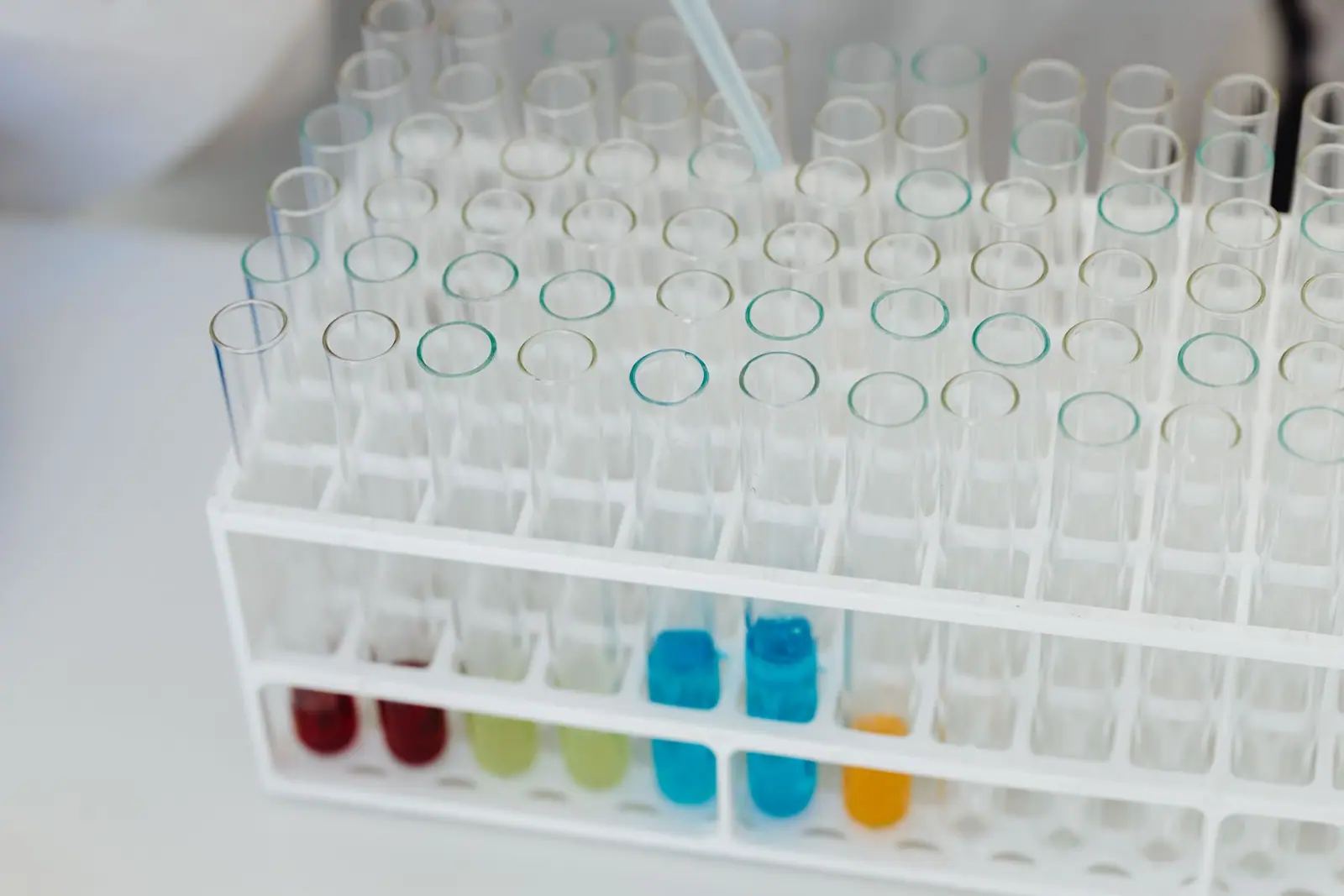
Fish rarely show illness until water problems have been going on for a while. A test kit shows the problem first. The University of Florida’s fish health guide calls poor water quality very often the underlying problem when fish get sick.
The four core tests
| Test | Healthy reading | If it is off |
|---|---|---|
| Ammonia | Zero | Partial water change, feed less, check the filter |
| Nitrite | Zero | Partial water change; the tank may not be fully cycled |
| Nitrate | Low, kept down by water changes | Change more water, more often |
| pH | Stable, within the range your fish need | Change slowly; sudden swings stress fish |
Why ammonia depends on pH and temperature
The University of Florida explains that ammonia exists in two forms. The un-ionized form is about 100 times more toxic than the ionized form, and its share rises as pH and temperature rise. The same ammonia reading is more dangerous in a warm, alkaline tank than in a cool, slightly acidic one.
pH: stable beats perfect
Species differ. PetMD’s betta care sheet, for example, calls a pH near 7 ideal and 6.5 to 7.8 fine for bettas. Check what your fish need. Chasing an exact number with chemicals often causes swings that do more harm than a steady, slightly imperfect pH.
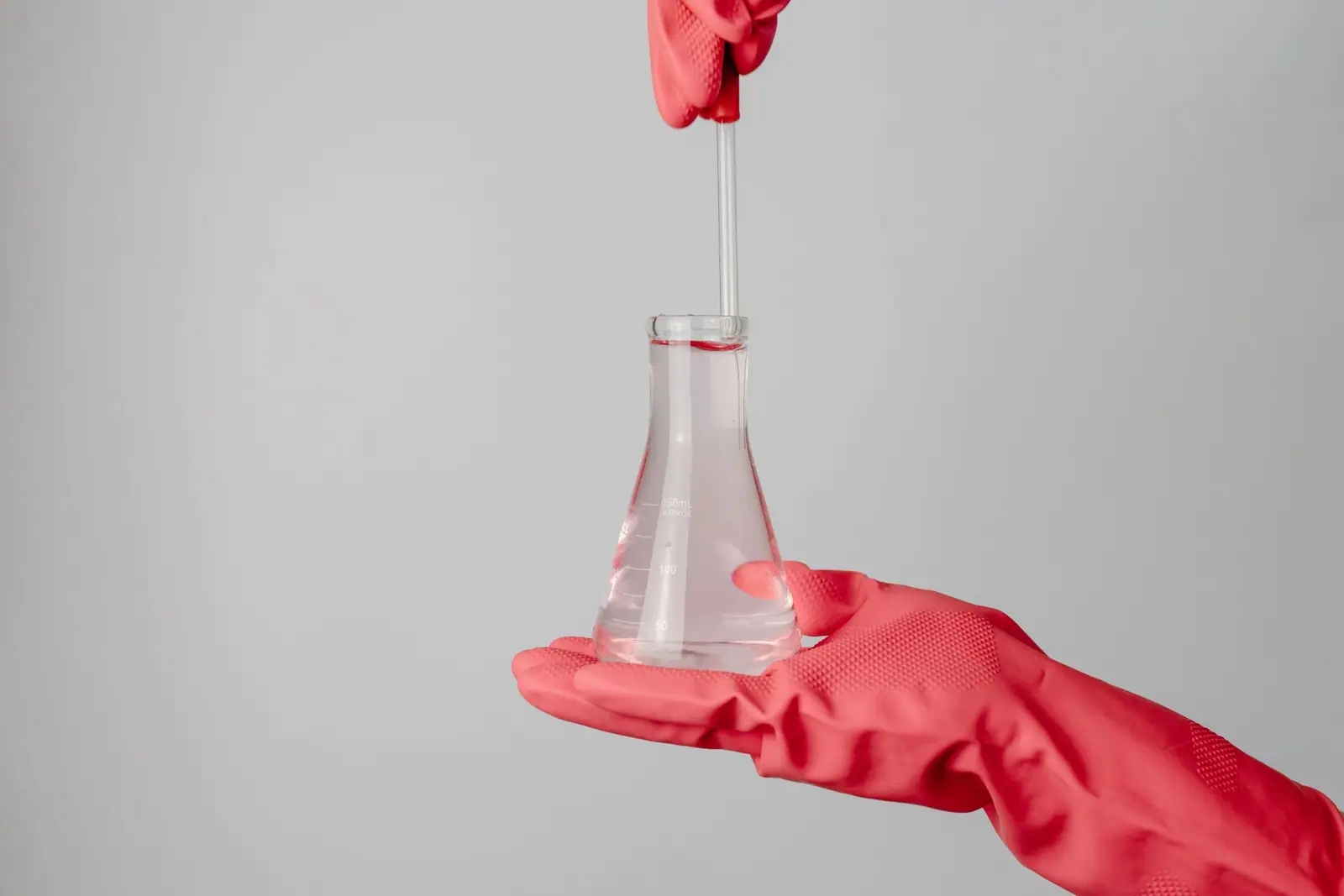
When to test
- Weekly as routine
- Daily while a new tank is cycling
- Right away if fish gasp at the surface, stop eating, or hide
- After adding fish, or after any big change
Many fish medicines are bought for problems that are really water quality. Test the water first. A water change is free.
Use the test results alongside the new-tank cycle guide. The cloudy water guide distinguishes appearance from what the measured chemistry establishes.
Questions people ask
What should ammonia be in a fish tank?
Zero in an established tank. Any detectable ammonia means waste is outpacing the filter.
What pH do aquarium fish need?
It depends on the species. Many common community fish do well near neutral, and a stable pH matters more than an exact figure.
Are test strips accurate?
They are fine for routine checks. Liquid test kits are usually more precise when you need to diagnose a problem.
Why are my fish gasping at the surface?
Often poor water quality or low oxygen. Test ammonia and nitrite and do a partial water change.
Where these figures come from
- Ammonia in Aquatic Systems University of Florida IFAS Extension · edis.ifas.ufl.edu
- Betta Fish Care Sheet PetMD · petmd.com
Figures last checked September 2026.