On this page
An adult cat budget has recurring purchases, planned veterinary care and occasional spending when someone else provides care. Food and litter are easy to remember, but travel, insurance, dental treatment and changing health needs can make a food-only monthly allowance misleading.
ASPCA publishes a detailed table labeled “2021 UPDATE.” It remains a helpful checklist in October 2026 because it names the expenses, but its prices are five years old. The figures below keep that date visible and show how to replace an old allowance with a current local charge or a household calculation.
Key figures
- $1,149 ASPCA 2021 yearly adult-cat budget
- $225 ASPCA 2021 yearly cat food allowance
- $348 ASPCA 2021 yearly cat insurance allowance
The $1,149 ASPCA total is a dated starting point
The cat column of ASPCA’s 2021 table contains these annual lines. Do not describe them as an average measured in 2026 or as a promise that a cat’s care will fit the total.
| Expense | ASPCA 2021 figure | How to update it |
|---|---|---|
| Food | $225 per year | Current diet, package price and consumption |
| Routine medical care | $160 per year | Veterinary care plan and current estimate |
| Preventive medication | $140 per year | Products and schedule recommended for this cat |
| Litter | $150 per year | Purchase price and replacement rate |
| Toys | $22 per year | Replacements the cat uses |
| Treats | $36 per year | Portions within the feeding plan |
| Health insurance | $348 per year | Policy quote and terms |
| Boarding | $25 per day | Number of chargeable days or nights |
| License | $15 per year | Local requirement and current fee |
| Grooming supplies | $28 per year | Products and replenishment |
Source note: ASPCA, Cutting Pet Care Costs, table labeled 2021 UPDATE. Its listed annual total is $1,149; the boarding row is explicitly a per-day figure and is not an annual travel allowance.
- Food$225
- Routine medical care$160
- Preventive medication$140
- Litter$150
- Toys$22
- Treats$36
- Health insurance$348
ASPCA 2021 UPDATE table, as cited in this article. Historical annual cat budget lines; boarding's daily charge is excluded. Replace these allowances with current quotes.
The published total divides to $95.75 per month. That conversion helps interpret the older table but does not refresh the prices. More importantly, a seven-day boarding stay does not cost the single $25 listed in the historical row. Travel duration has to be multiplied by the provider’s billing unit.
The first-year cat cost guide covers adoption and setup. An already-owned carrier or scratching post should not be purchased again every year in the worksheet merely because it appeared in the original setup budget.
Food and litter are priced by consumption
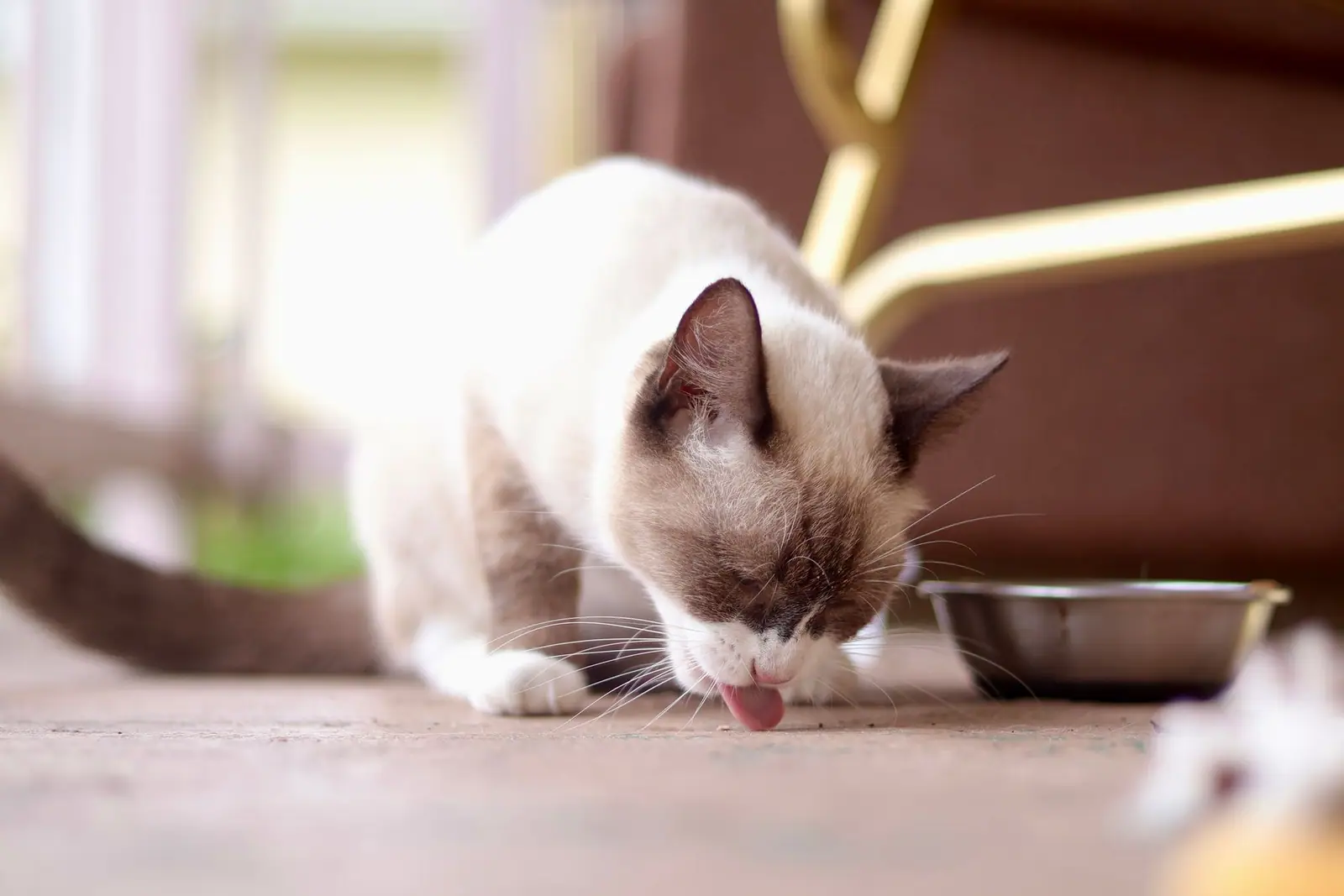
For food, record the package size, price paid and how long it lasts under the cat’s feeding plan. Two bags with the same price can have different weights and energy density. A lower price per pound does not establish that two diets meet the same nutritional purpose.
Here is a worked example, not a market price or feeding recommendation: a hypothetical $36 bag lasts 30 days. Replacing it at that rate costs $438 over 365 days, before discounts and delivery. The calculation is $36 multiplied by 365 divided by 30; multiplying by 12 would assume every month had exactly 30 days.
If a hypothetical $20 litter bag also lasts 30 days, the annual consumption cost is $243.33. Together those assumed food and litter inputs reach $681.33. The result belongs to those assumptions only. Use receipts to replace both prices and observed use to replace both durations.
Keep diet decisions separate from the shopping arithmetic. The complete-and-balanced label guide explains the nutritional adequacy statement. A budget should follow the diet the cat can eat, rather than assuming any lower-priced food is an interchangeable substitute.
Current veterinary prices show why the old allowance can change
Hamilton Plaza Animal Hospital in Dacula, Georgia posts a comprehensive exam starting at $68, a recheck starting at $53 and a fecal test starting at $25. Its cat vaccine list posts one-year Purevax rabies at $35, FVRCP at $30 and FeLV at $48. These are one clinic’s starting prices, not national averages or a universal annual package.
An exam, $35 rabies line and $30 FVRCP line would add to $133 at the posted minimums before other services. That is arithmetic using named charges, not a recommendation that every adult cat receive that combination each year. Timing, prior vaccinations, health and local rules determine the plan with the veterinarian.
AAHA/AAFP life-stage guidance makes clear that care changes across a cat’s life. Ask the practice for the next scheduled services and which charges may be separate. Carry that estimate into the budget instead of treating ASPCA’s historical $160 routine-care row as a spending ceiling.

Travel and optional equipment have separate totals
The same Dacula clinic posts regular cat boarding at $31 per night and medical boarding at $50 per night. Seven nights at those listed rates produce $217 or $350 before other charges. Medication or special care can change the service category; ask for the clinic’s classification before multiplying the regular rate.
Home visits use a different unit. The boarding versus sitter guide compares nights with visit frequency and duration. A sitter’s short visit is not equivalent to staff availability at a boarding facility, and neither label proves continuous overnight observation.
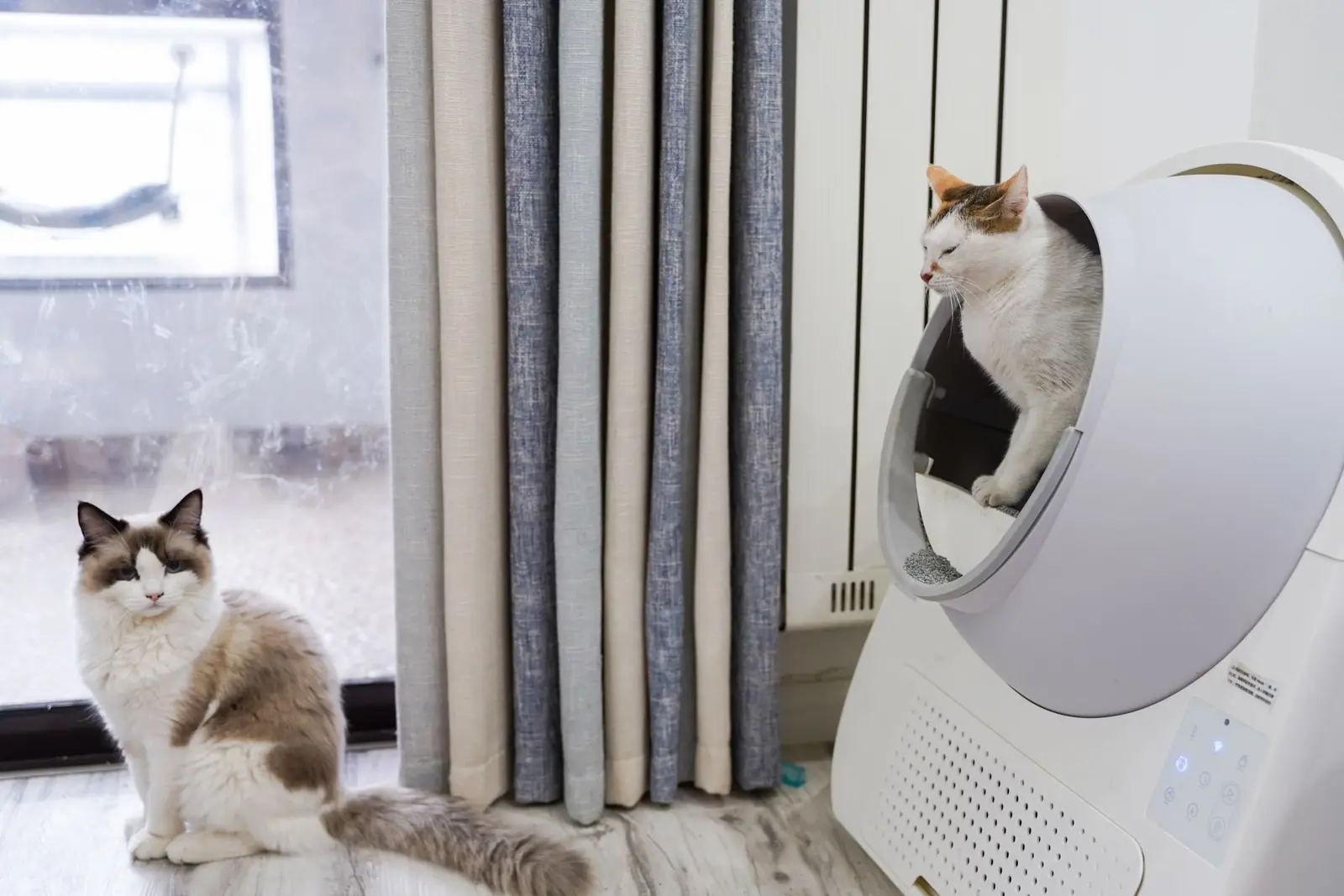
Feeding devices and litter robots belong in an equipment line. A large one-time purchase can look small when divided across several years, but the cash is still due at checkout. Keep any financing interest, replacement parts and compatible supplies visible instead of hiding them in the food or litter allowance.
Before replacing a tray with a costly device, read the automatic litter box cost comparison. Several cats may require separate accessible toilet locations even when a product is advertised for multiple cats.
Insurance premiums and unexpected bills are different obligations
ASPCA’s historical insurance allowance of $348 equals $29 per month. A current premium depends on the insurer, location, cat, benefits and deductible. Enter the quoted premium and note the renewal date; the old figure does not predict eligibility or next year’s rate.
The veterinarian should set the medical plan. A reserve or insurance policy is a way to fund care, not a reason to postpone an urgent assessment while the budget is being compared. Ask the practice about payment arrangements and read the policy’s reimbursement rules.
Do not count both an emergency reserve transfer and the same treatment bill as separate medical costs when reporting spending. The transfer moves money between accounts; the bill is the care expense. Tracking cash available and expenses incurred in separate columns makes the worksheet easier to understand.
Review the plan when food consumption, travel dates, premiums or the care schedule changes. A practical adult-cat budget shows the date and basis of each line, the purchases already owned, and which totals are still estimates. That provides more information than declaring one monthly number correct for every household.
Questions people ask
Is $1,149 still the annual cost of a cat?
It is ASPCA's published 2021 figure, not a current 2026 price survey. Use its categories as a checklist and replace the amounts with current receipts, local fees and your cat's care plan.
How much is that per month?
The historical $1,149 annual total divides to $95.75 monthly. It does not include every possible treatment or a full trip's boarding cost, and your recurring purchases may differ.
Does the annual table cover a week of boarding?
No. ASPCA labels its $25 boarding figure per day. A current provider's rate has to be multiplied by the number of chargeable nights or visits, with extra care fees added.
Should an adult cat budget repeat all first-year purchases?
No. Keep equipment already owned out of new spending, and add replacements when condition or access changes. Planned care, food, litter and any travel care remain recurring or occasional obligations.
Where these figures come from
- Cutting Pet Care Costs: 2021 Update ASPCA · aspca.org
- Published Examination, Vaccine and Boarding Prices Hamilton Plaza Animal Hospital, Dacula, Georgia · hpahospital.com
- 2021 AAHA/AAFP Feline Life Stage Guidelines American Animal Hospital Association · aaha.org
Figures last checked October 2026.
Calculator
Your pet's budget
Fill in what you spend, or expect to. Leave out anything that does not apply.
Set aside a separate fund for emergencies, which a routine budget does not cover.