On this page
Adoption fees are low, and a cat looks like a cheap pet next to a dog. Over a lifetime that can easily run past 15 years, though, the costs add up, and the first year is the most expensive.
The ASPCA publishes a breakdown of what a cat typically costs. It is a national estimate, not a quote for your city, but it shows where the money goes.
Key figures
- $1,904 ASPCA historical first-year cat budget
- $1,149 ASPCA historical yearly cat budget thereafter
- $348 a year ASPCA historical yearly cat insurance allowance
The ASPCA’s numbers
The ASPCA estimates a cat’s first year at about $1,904 and each following year at about $1,149. The difference is the one-time costs of getting started.
- First year$1,904
- Each year after$1,149
- Each year after, no insuranceabout $801
ASPCA estimates for a cat. The annual total includes $348 for pet health insurance; without it, ongoing costs are closer to $800. Prices vary widely by region and clinic.
Where the money goes
| Cost | ASPCA estimate | Type |
|---|---|---|
| Spay or neuter | $150 | One time |
| Initial medical care (vaccines, exams) | $175 | One time |
| Carrier, litter box, scratching post, microchip and other supplies | $130 | One time |
| Food | $225 a year | Ongoing |
| Litter | $150 a year | Ongoing |
| Routine medical care | $160 a year | Ongoing |
| Preventive medication | $140 a year | Ongoing |
| Pet health insurance | $348 a year | Optional |
| Dental care | $300 | Occasional |
- Food$225
- Litter$150
- Routine medical care$160
- Preventive medication$140
- Pet health insurance$348
ASPCA historical estimates cited in this article. Annual recurring lines only; startup and occasional dental costs are excluded. These are not current local quotes.
The ASPCA figures also include smaller items such as toys, treats, a license and grooming supplies.
What the estimate leaves out
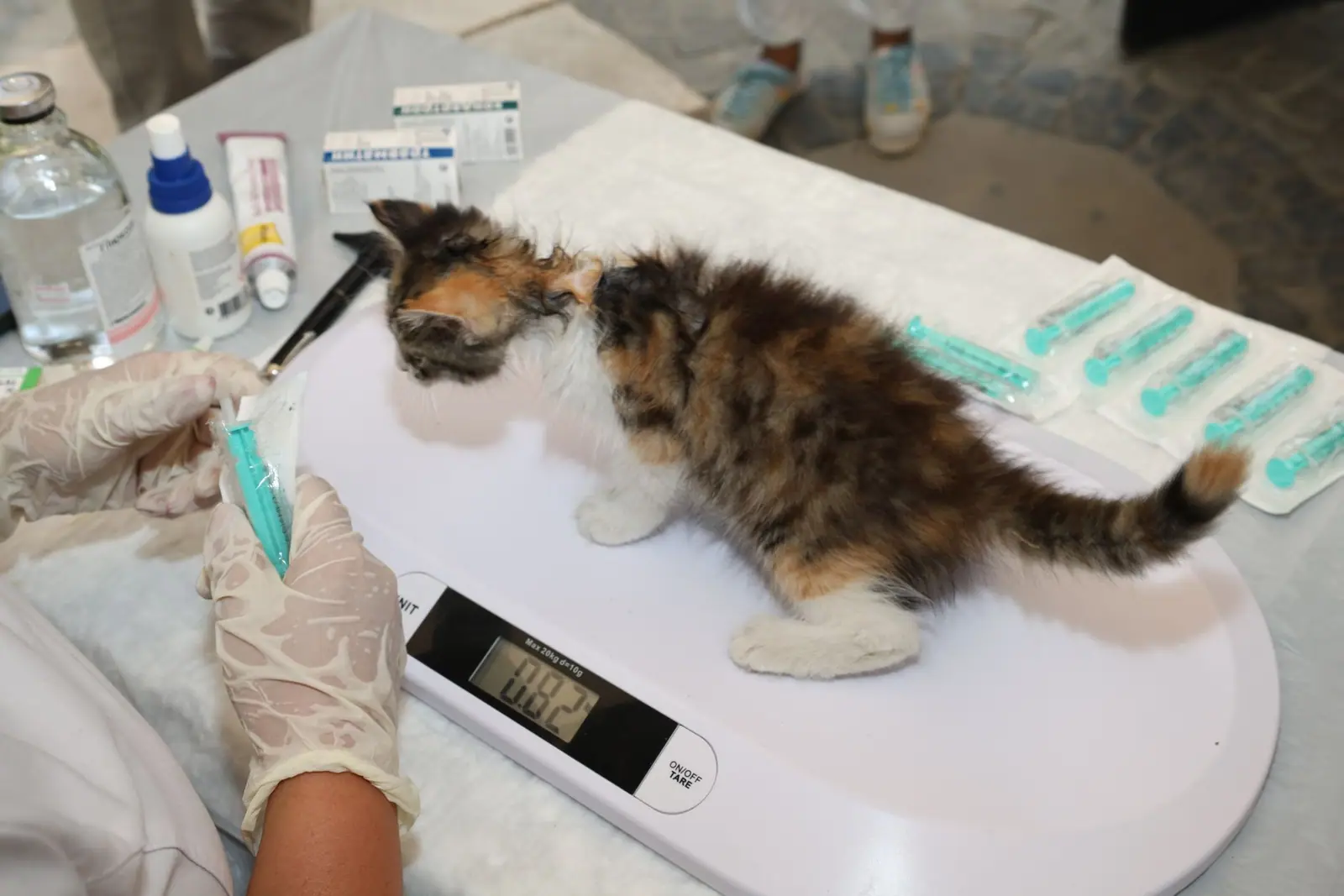
- Emergencies. A blocked bladder, a swallowed string or a poisoning can cost far more than a year of routine care.
- Age. Senior cats need more frequent checkups and often long-term medication.
- Pet sitting and boarding when you travel.
- Replacing damaged furniture, if scratching is not managed.
Whether you buy insurance or keep an emergency fund, decide before you need it. The worst time to find out what a surgery costs is in the waiting room.
Where you can save without cutting corners
- Adopt from a shelter, where the cat is often already spayed or neutered, vaccinated and microchipped.
- Look for low-cost spay and neuter clinics, which the ASPCA lists.
- Keep the cat at a healthy weight, which heads off expensive conditions later.
- Keep up with dental care, because extractions cost more than prevention.
- Keep the cat indoors or supervised outside, which reduces injuries.
The adult cat annual budget separates later recurring spending from adoption and setup. The cat carrier comparison prices transport equipment as one initial purchase. The spay and neuter guide covers timing alongside the first-year spending plan.
Questions people ask
How much does a cat cost per month?
Using the ASPCA's annual estimate of about $1,149, roughly $95 a month including insurance, or about $67 without it.
Why is the first year more expensive?
It includes one-time costs: spay or neuter, first vaccines and exams, a microchip and supplies like a carrier and litter box.
Is it cheaper to adopt or buy a cat?
Adoption is usually cheaper, and shelter cats often come already spayed or neutered, vaccinated and microchipped.
What is the most expensive part of owning a cat?
Over a lifetime, veterinary care, especially emergencies and senior-age illness. Day to day, food and litter.
Where these figures come from
- Cutting Pet Care Costs ASPCA · aspca.org
Figures last checked September 2026.
Calculator
Your pet's budget
Fill in what you spend, or expect to. Leave out anything that does not apply.
Set aside a separate fund for emergencies, which a routine budget does not cover.