On this page
Feeding charts on dog food bags are written for a range of dogs, not for yours. They tend to assume an intact, active adult, which describes a minority of pet dogs in the United States. Feed the chart amount to a neutered dog that gets two short walks a day and the result is predictable.
Here is the calculation clinics use instead, and the check that matters more than any calculation.
The formula vets start from
Ohio State University’s veterinary nutrition service describes the standard approach. First, resting energy requirement:
RER = 70 x (body weight in kg) to the power 0.75
Their worked example: a 10 kg adult neutered dog at a healthy weight has an RER of about 400 calories a day.
That is the requirement at rest. It is then multiplied by a factor for the individual animal. Typical factors run from about 1.2 for an inactive or weight-losing adult up to 3 or more for a growing puppy. A neutered adult pet dog usually sits near the bottom of that range, which is exactly where bag charts tend not to sit.
Calories do not scale with weight in a straight line. A 40 kg dog does not need four times the food of a 10 kg dog: it needs roughly 2.8 times. This is why scaling a portion up by eye overfeeds large dogs.
Why this matters more than it sounds
The Association for Pet Obesity Prevention’s 2022 US survey classified 59 percent of dogs as overweight or obese. The more revealing figure in the same survey: 36 percent of dog owners rated their dog’s body condition as normal when the dog was actually scored in the overweight to obese range.
- Overweight or obese59%
- Healthy weight41%
Association for Pet Obesity Prevention, 2022 US survey, based on assessments by veterinary professionals.
The check that beats the calculation
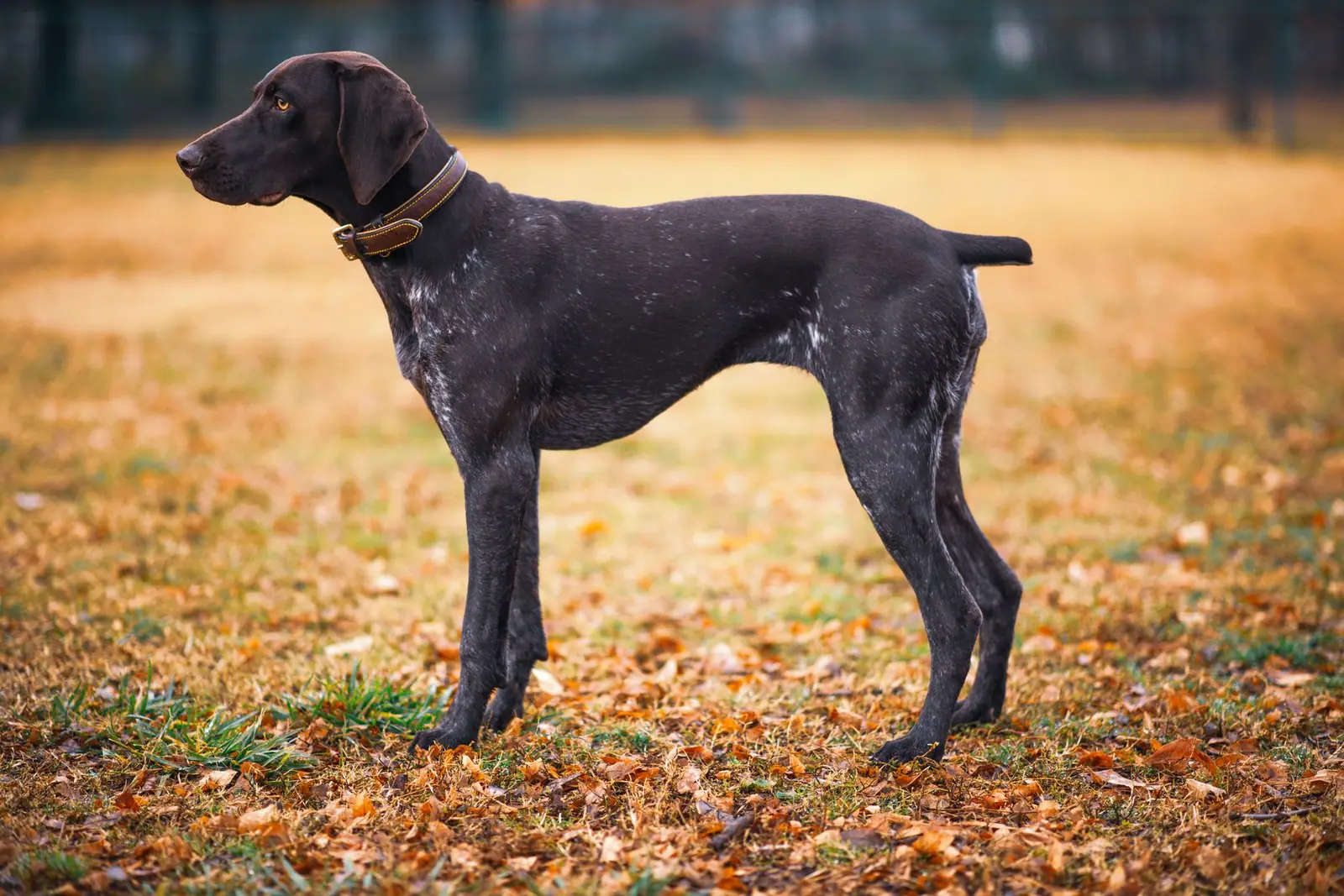
Body condition scoring is what turns an estimate into a correct amount. Three things, done with your hands rather than your eyes:
- Ribs. You should feel them easily under a thin layer of fat, the way the back of your hand feels over your knuckles. If you have to press, there is too much cover.
- Waist from above. There should be a visible narrowing behind the ribs.
- Tuck from the side. The belly should rise from the ribcage toward the hind legs rather than running level.
If those three do not look right, adjust the daily amount by about ten percent and re-check in a month. Slow is correct.
Practical rules that prevent drift
- Measure with a scale, not a cup. Kibble densities differ enough that a scoop is not a fixed number of calories.
- Count the treats. Treats should stay under about ten percent of daily calories, and it is easy to exceed that with a single dental chew.
- Feed the dog in front of you. Neutering lowers energy needs, and so does age. The right amount at two is not the right amount at eight.
- Split into two meals. Easier on digestion, and being fed one large meal a day is on the published risk list for bloat.
The food label guide addresses the diet behind the ration. The annual food cost guide prices the resulting consumption.
Questions people ask
How do I calculate how many calories my dog needs?
Start with resting energy requirement: body weight in kilograms raised to the power 0.75, times 70. Then multiply by a factor for life stage and activity, commonly 1.2 to 3. Adjust from body condition.
Why does the bag say more than the calculation?
Bag charts cover a broad range of dogs and tend to assume more activity than most pet dogs get. They are a starting point to be adjusted, not an instruction.
How do I know if my dog is overweight?
Feel for ribs under a thin layer of fat, look for a waist from above, and check for an abdominal tuck from the side. Your vet can score it in a minute and show you how.
How fast should an overweight dog lose weight?
Slowly and with veterinary supervision. Crash dieting is unsafe, and a weight-loss plan should be based on target weight rather than current weight.
Where these figures come from
- Companion Animal Nutrition Support Service, basic calorie calculator Ohio State University Veterinary Medical Center · vmc.vet.osu.edu
- 2022 Pet Obesity Survey Results Association for Pet Obesity Prevention · petobesityprevention.org
Figures last checked September 2026.