
On this page
Putting two cats in a room and letting them “sort it out” is the most common way introductions go wrong. Cats are territorial, and a bad first meeting can turn into long-running tension, hiding and litter box problems.
A slow introduction takes more patience at the start and saves a lot of trouble later.
Step 1: a room of their own
Set up the new cat in a separate room with food, water, a litter box, a bed and places to hide. Keep the door closed. Both cats learn the other exists through sound and smell, without a confrontation.
Step 2: scent first
- Swap bedding between the cats every day or two.
- Rub a soft cloth on one cat’s cheeks and leave it near the other’s food.
- Feed both cats on either side of the closed door, moving bowls closer as they stay relaxed.
Step 3: sight without contact
When both cats eat calmly near the door, let them see each other through a baby gate, a screen door or a door opened a crack. Keep sessions short and pleasant, with food or play.
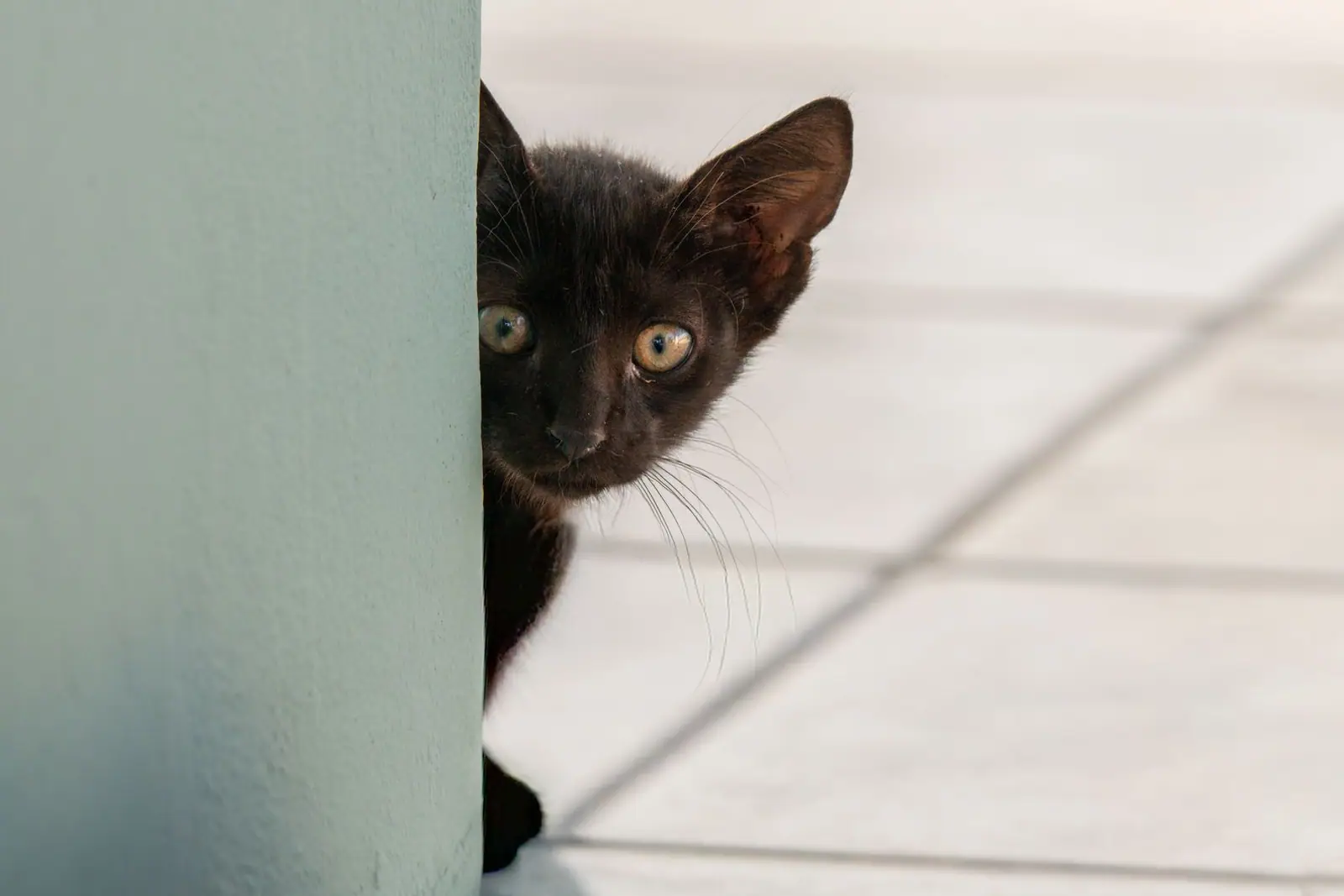
Step 4: supervised time together
Let them share a room while you watch. End sessions before tension rises. Signs to slow down: flattened ears, hissing, growling, swishing tail, staring, or one cat hiding.
Set up the house for two
- Litter boxes: one per cat plus one, in different places, as feline veterinary guidelines advise.
- Separate feeding spots
- Several water bowls
- High places and hiding spots, so no cat is cornered
Some hissing early on is normal communication. Real fights, or a cat that stops eating or using the box, mean going back a step.
The litter box number guide addresses shared toilet resources. The automatic feeder comparison explains why timed food delivery does not establish individual access.
Questions people ask
How long does it take for cats to get along?
It varies from days to several weeks, sometimes longer. Go at the pace of the more anxious cat.
Should I let my cats fight it out?
No. Real fights can create lasting fear and aggression. Separate them and slow down the introduction.
Is it easier to add a kitten or an adult cat?
Kittens are often accepted more easily, but energy levels matter. A very playful kitten can overwhelm an older, calm cat.
How many litter boxes do two cats need?
Three, under the one-per-cat-plus-one rule.
Where these figures come from
- General Litter Box Considerations, 2021 AAHA/AAFP Feline Life Stage Guidelines American Animal Hospital Association · aaha.org
Figures last checked September 2026.