On this page
Highly pathogenic avian influenza, often called HPAI or bird flu, has hit US poultry repeatedly in recent years, including backyard flocks. It was a major reason egg prices soared in early 2025.
A backyard keeper cannot control the virus in wild birds. You can make it much harder for it to reach your hens.
How the virus reaches a flock
Wild birds, especially ducks and geese, can carry the virus without looking sick. It reaches chickens through droppings, contaminated water, and anything that tracks it in: boots, tools, feed bags, crates and visitors who keep birds of their own.
The USDA runs a program called Defend the Flock with free biosecurity guidance for backyard owners. Its core advice is to keep domestic birds from contact with wild birds and to keep poultry confined during high-risk periods of migration.
Everyday biosecurity that works
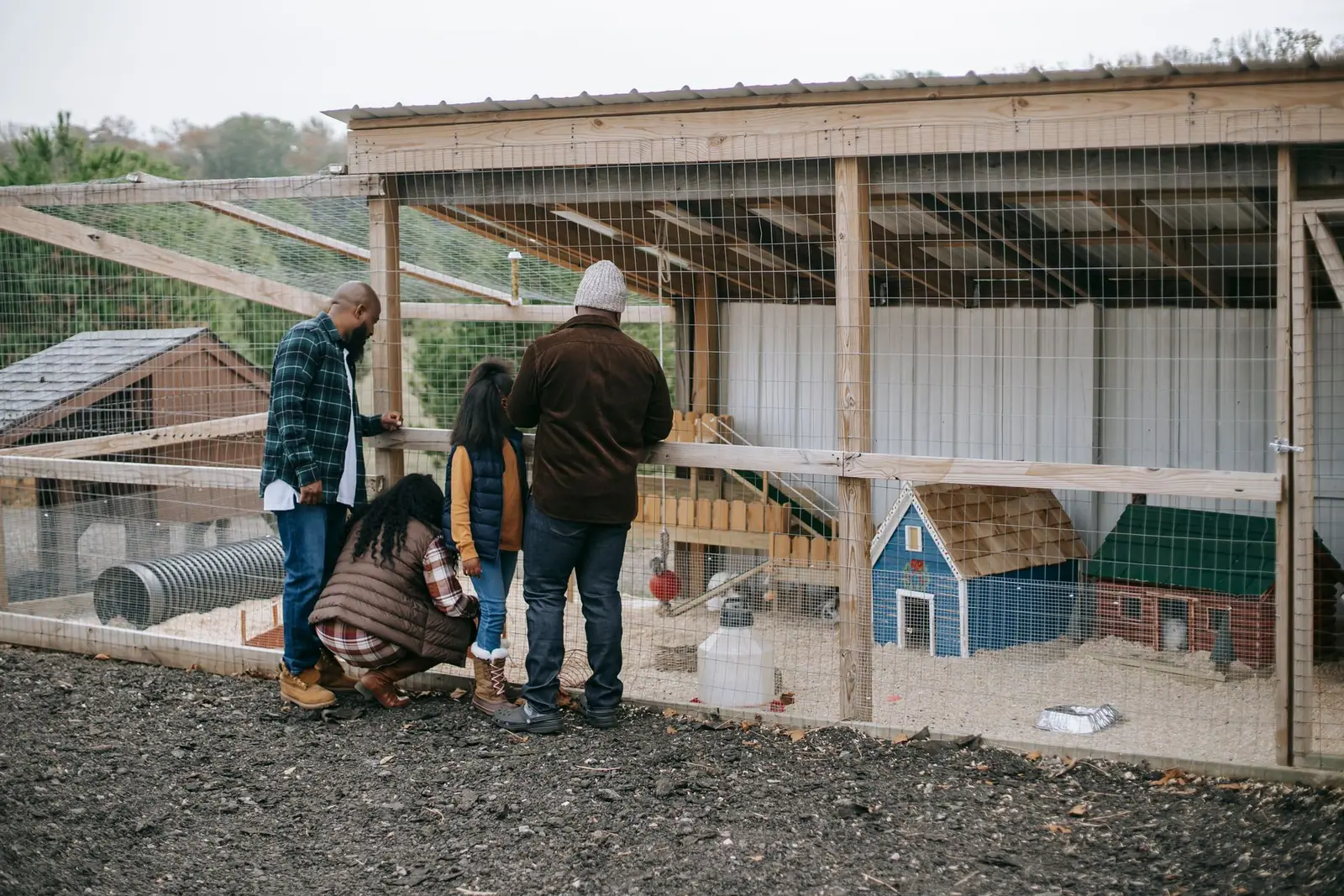
- Cover the run with netting or a roof so wild birds cannot mix with the flock.
- Keep feed and water inside or covered, where wild birds cannot reach them.
- Use dedicated shoes for the coop and leave them there.
- Limit visitors, especially people who keep poultry.
- Clean and disinfect borrowed equipment before it touches your flock.
- Quarantine new birds away from the flock before mixing them in.
Signs to watch for
The USDA lists these warning signs of avian influenza and other serious diseases:
- Sudden death without earlier symptoms
- Lack of energy and appetite
- Drop in egg production or soft, thin-shelled or misshapen eggs
- Swelling of the head, eyelids, comb, wattles or legs
- Purple discoloration of the wattles, comb and legs
- Difficulty breathing, coughing, sneezing or nasal discharge
- Stumbling, twisting of the neck or other nervous signs
- Diarrhea
If birds sicken or die suddenly, call your state veterinarian or the USDA toll-free at 1-866-536-7593. Do not move birds, eggs or equipment off your property until you have advice.
Protect yourself too
Bird flu can occasionally infect people. Wear gloves when handling sick or dead birds, wash your hands afterward, and follow the guidance of your health department.
The chicken veterinarian guide addresses arranging professional help. The run roof quote guide examines one containment project without presenting equipment as a guarantee against disease.
Questions people ask
Can backyard chickens get bird flu?
Yes. HPAI has been confirmed in many backyard flocks as well as commercial farms. Small flocks are not immune.
What are the first signs of bird flu in chickens?
Often sudden death, or birds that are listless, stop eating, lay fewer eggs or develop swollen, purple combs and wattles.
Should I keep my chickens indoors during bird flu outbreaks?
The USDA advises keeping birds confined during high-risk periods of migratory bird activity, and away from wild birds at all times.
Is it safe to eat eggs from my flock during an outbreak?
Eggs from healthy birds, properly handled and cooked, are generally considered safe. If birds are sick, stop and call your state veterinarian.
Where these figures come from
- Defend the Flock USDA Animal and Plant Health Inspection Service · aphis.usda.gov
- Defend the Flock: Signs of Illness USDA Animal and Plant Health Inspection Service · aphis.usda.gov
- Backyard Poultry Centers for Disease Control and Prevention · cdc.gov
Figures last checked September 2026.