On this page
One week the nest boxes are full, the next they are empty. It is a common worry among backyard keepers, and the cause is often seasonal, but look at the birds themselves before assuming so.
Oregon State University Extension lists the main reasons hens stop laying: decreasing day length, molt, broodiness, flock health, age, poor nutrition and stress. Daylight and molt explain most seasonal drops; if any bird looks unwell, check health first.
Key figures
- 14 to 16 hours Daily light hens need for steady laying
- just over 8 hours Early-winter daylight in Oregon
1. The days got shorter
Egg laying is driven by daylight. The University of Wisconsin Extension says hens lay best with 14 to 16 hours of light, with maximum production during 16-hour summer days. Oregon State notes that in Oregon the day shrinks from nearly 16 hours in early summer to just over 8 hours in early winter.
As fall days shorten, laying slows and often stops. It picks up again as days lengthen in late winter.
2. They are molting
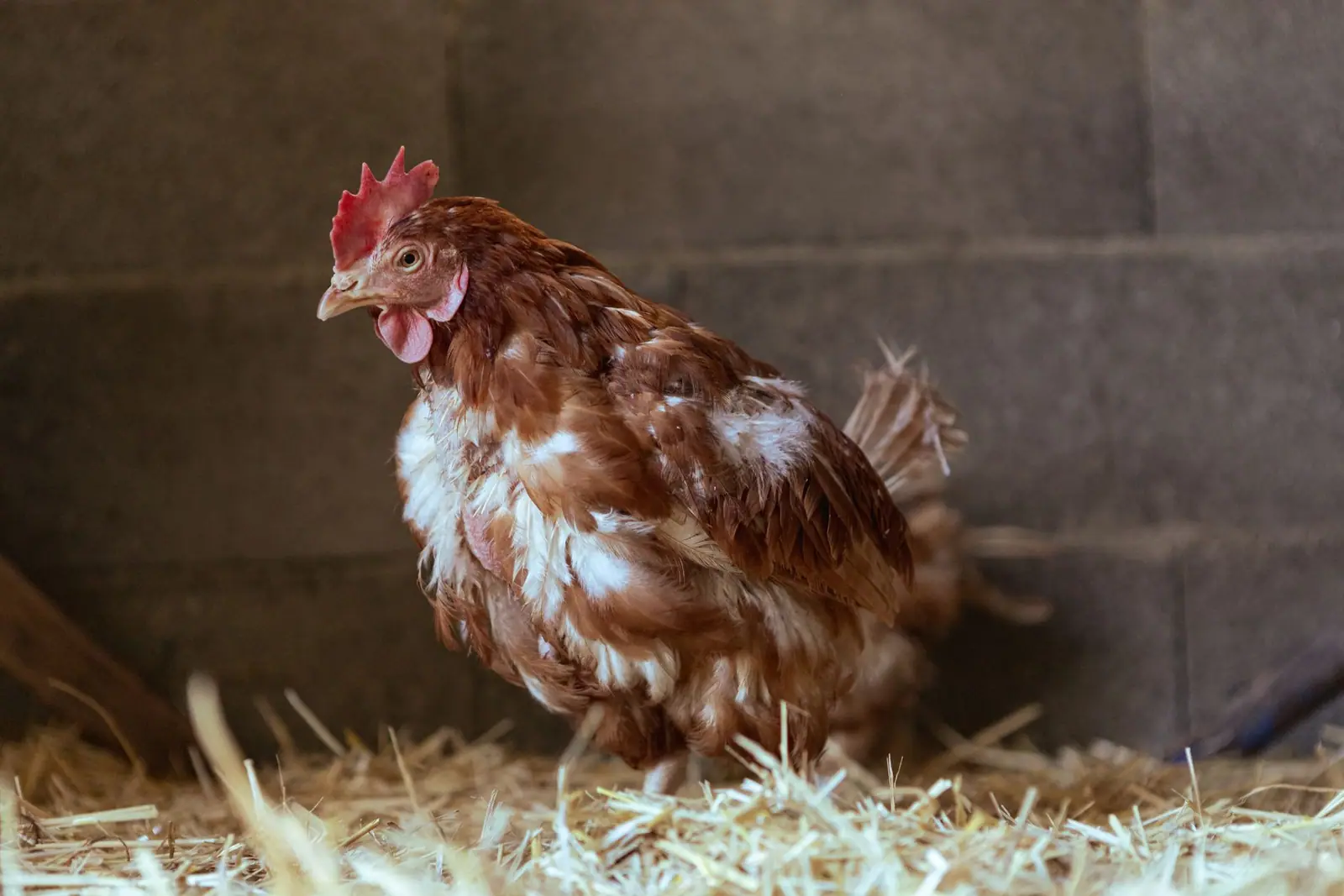
Most hens molt in late summer or fall, dropping and regrowing feathers. Growing feathers takes protein, so laying pauses, often for several weeks. It looks alarming, with feathers everywhere, but it is normal.
3. A hen has gone broody
A broody hen sits on the nest day and night, trying to hatch eggs, and stops laying. She puffs up and growls when disturbed. Without fertile eggs she will eventually give up, though some keepers move her to a separate pen to break the habit.
4. The rest of the checklist
| Cause | What you see | What to do |
|---|---|---|
| Age | Fewer eggs each year | Normal; plan for replacement pullets |
| Poor nutrition | Too many treats or scraps | Return to a complete layer feed |
| Stress | New birds, predators, heat, moving | Remove the stress and wait |
| Hidden nest | Eggs elsewhere in the yard | Confine hens to the run for a few days |
| Egg eating | Shell bits, yolk on beaks | Collect often; if shells are thin, review the feed and offer oyster shell |
| Illness | Listless birds, other signs | Call a vet or your extension office |
Penn State Extension notes that artificial lighting can keep hens laying through winter, aiming for 16 hours of light a day on a timer. Many backyard keepers choose instead to let hens rest in winter as nature intended.
The laying lifespan guide covers changes over time. The feed guide addresses one recurring care input without assuming it explains every production change.
Questions people ask
Why did my chickens stop laying in the fall?
Usually shorter days, molting, or both. Laying normally picks up again as days lengthen.
How long does molting stop egg production?
Often several weeks, sometimes longer, while the hen regrows feathers.
How many hours of light do chickens need to lay?
About 14 to 16 hours a day, according to extension guidance.
When should I worry about hens not laying?
If birds also look sick, lose weight or die suddenly. That can signal disease, including avian influenza, and needs professional advice.
Where these figures come from
- Why Did My Chickens Stop Laying? Oregon State University Extension · extension.oregonstate.edu
- Life Cycle of a Laying Hen University of Wisconsin Extension · livestock.extension.wisc.edu
- Artificial Lighting for Winter Egg Production Penn State Extension · extension.psu.edu
Figures last checked September 2026.