On this page
Gastric dilatation-volvulus, usually called bloat, is the reason to know where your nearest 24-hour emergency clinic is before you need it. The stomach fills with gas and then twists, cutting off its own blood supply and pressing on the vessels that return blood to the heart. A dog can go from normal to shock in a couple of hours.
This is not an article about managing something at home. It is about recognising one pattern fast enough.
The pattern to recognise
The American College of Veterinary Surgeons lists these early signs:
- Retching or trying to vomit without bringing anything up. This is the single most recognisable sign.
- Restlessness and obvious anxiety, pacing, unable to settle.
- Drooling, often heavily.
- Abdominal pain, sometimes with the dog standing with its elbows out.
- A visibly swollen, tight abdomen, though in deep-chested dogs it can be hard to see.
Later signs are weakness, pale gums, rapid breathing and collapse. By then the dog is in shock.
ACVS says a dog showing these signs should be evaluated immediately. Bloat does not resolve on its own, and the outcome is worse the longer the stomach stays twisted.
Which dogs are most at risk
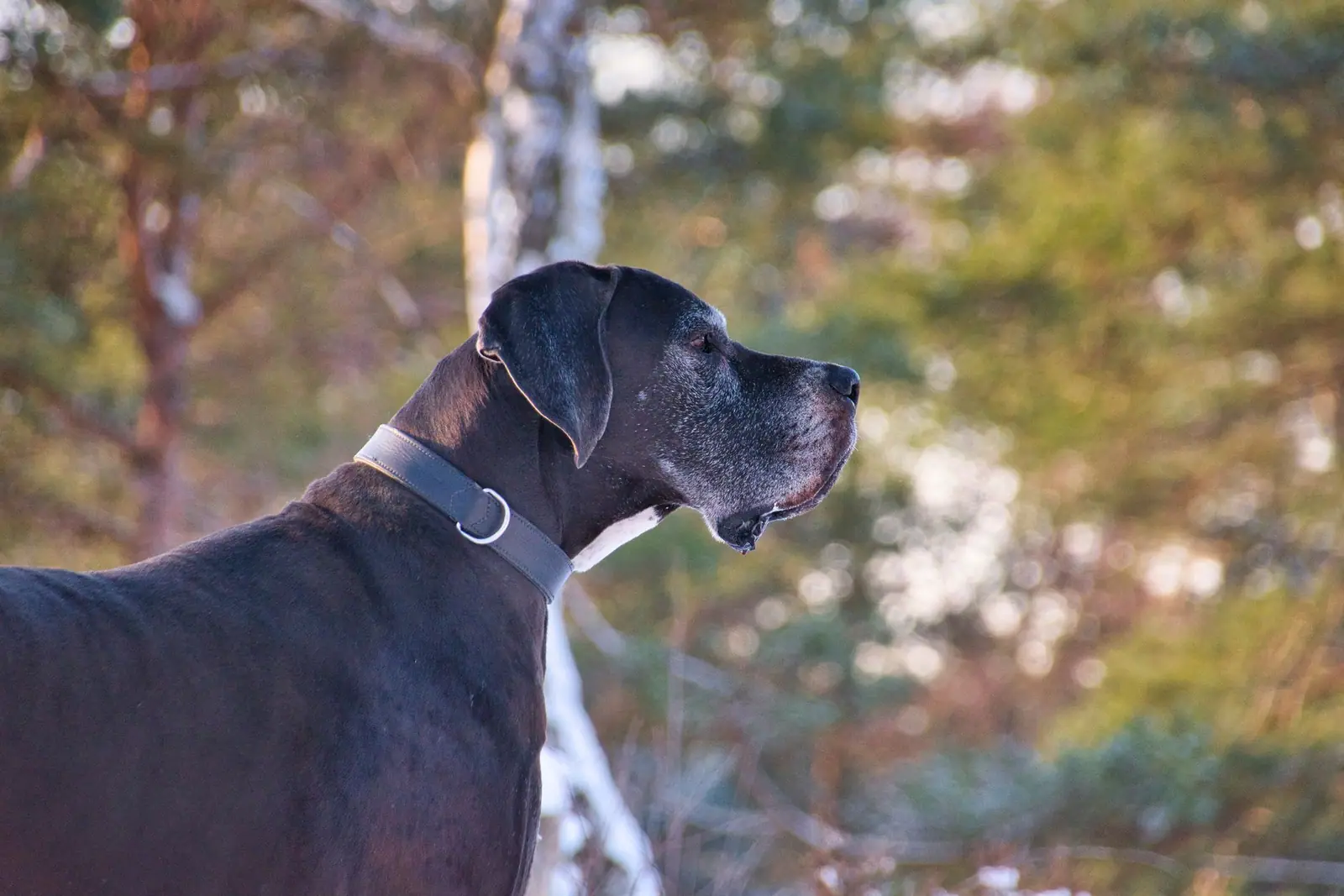
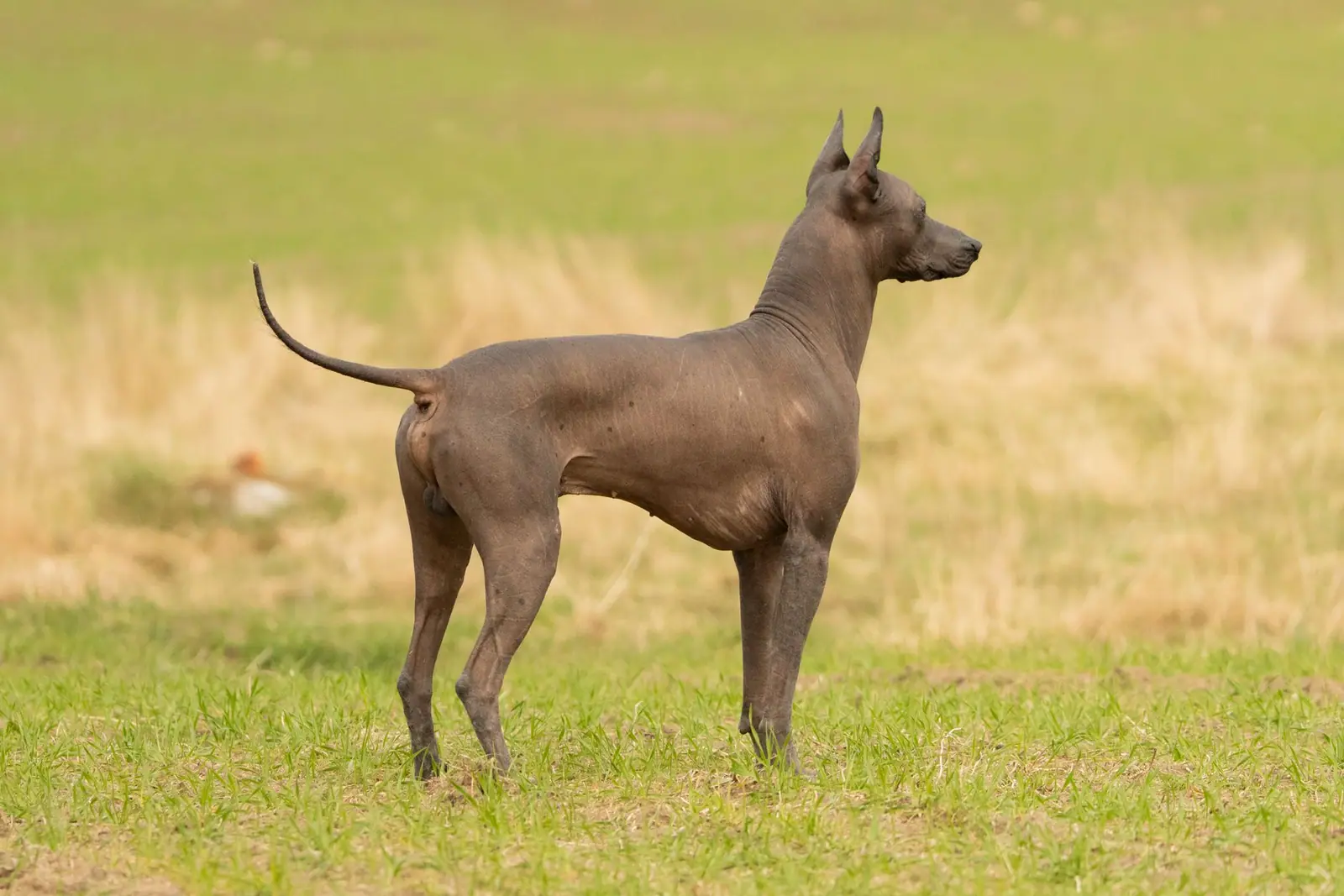
ACVS identifies dogs with a deep chest, meaning an increased ratio of thoracic height to width, and names Great Danes, Weimaraners, St Bernards, Irish setters and Gordon setters among the commonly affected breeds. Risk also rises with age and with a family history of bloat, and ACVS lists being fed a single large meal once daily as a risk factor.
Small dogs are not immune, but they are rarely affected.
What treatment involves
- Stabilisation first. Intravenous fluids and pain control for shock.
- Decompression of the stomach to release the trapped gas.
- Surgery to untwist the stomach, assess whether any of the stomach wall or the spleen has died, and remove what has.
- Gastropexy, tacking the stomach to the body wall so it cannot twist again. Without it, recurrence is common.
ACVS reports mortality of around 15 percent overall, and notes that the outlook is worse for dogs that have had signs for more than six hours, dogs that develop heart arrhythmias before surgery, and dogs that need part of the stomach or the spleen removed.
What actually reduces the risk
The evidence is stronger for some measures than others. The one with the clearest support is surgical.
- Preventive gastropexy. ACVS says many veterinary surgeons now recommend it for at-risk breeds, and that it can often be done during the spay or neuter surgery, which avoids a second anaesthetic.
- Split the daily ration into two or more meals instead of one large one.
- Know your emergency clinic. Put the number in your phone and know the drive. Six hours is the line in the published outcomes, and it goes quickly at two in the morning.
The diagnostic estimate guide explains billing questions after urgent care is addressed. The insurance guide separates payment and reimbursement arrangements from the need for assessment.
Questions people ask
How quickly does bloat kill a dog?
It can progress to shock within a few hours. Published outcomes are notably worse once signs have been present for more than six hours, so it is treated as a same-hour emergency.
Can a dog bloat and recover on its own?
Simple gas distension without a twist can sometimes settle, but you cannot tell the difference at home, and a twisted stomach will not resolve without treatment.
Do raised bowls cause bloat?
Studies have disagreed and the evidence is not settled. The risk factors ACVS lists with confidence are deep chest conformation, age, family history and being fed a single large daily meal.
Is preventive gastropexy worth it?
For high-risk breeds many veterinary surgeons recommend it, particularly when it can be combined with spay or neuter surgery. It is a conversation to have before that surgery is booked.
Where these figures come from
- Gastric Dilatation-Volvulus American College of Veterinary Surgeons · acvs.org
- Gastric Dilation and Volvulus in Small Animals Merck Veterinary Manual · merckvetmanual.com
Figures last checked September 2026.